My Secrets to Achieving a Positive ROAS in E-Commerce in 2026 🎯

I’ve often heard e-commerce owners say they feel stuck trying to earn more than they spend on ads. In my experience, it’s not as daunting as it might look.
📌 Consider this my personal take on “the e-commerce founders guide to achieving a positive roas.”
I’m about to show you how I handle core metrics, tweak campaigns, and turbocharge creatives. Good news, you can do all of this without guesswork or major disruptions.
Understand ROAS Basics
ROAS, or Return on Ad Spend, is a simple calculation. You take the revenue from a specific ad campaign and divide it by the cost of that same campaign.
For someone like me aiming to see clear results, the standard benchmark I look for is at least 4:1. That means for every $1 I spend on advertising, I generate $4 or more in revenue.

Still, no two businesses share the exact same profit margins or repeat purchase rates. For instance, a 2.05:1 ratio can be decent for an e-commerce brand with modest margins, giving a small but real profit.
Other stores aim higher, like 3.0x or 4.0x, especially if they want to account for marketing overhead. The trick is to know you aren’t trapped by your starting figure. If your ratio is low now, there are concrete steps you can take to improve it.
My personal formula for success
I always remind myself that ROAS is one piece of the puzzle. Here’s what I check:
These pieces keep my budget from ballooning out of control. When my CLTV is strong, I can invest more heavily into ads, knowing I’ll eventually recoup costs through repeat purchases. Conversely, if my CR or AOV look weak, I treat that as a flashing signal to refine my product pages, offers, or remarketing strategy.
Calculate and Track Metrics

Before I dive into the nuts and bolts of ad optimization, I start by calculating each metric with as much precision as possible. This helps me see where I have an edge and where I need a true overhaul.
Pin down your variables
A 2023 reference from my own notes revealed many platforms (like Meta or Google) could inflate or misattribute returns without first-party data. Tools like Conjura use that first-party data to deliver a more accurate sense of ROAS, although it’s still wise to confirm your figures with multiple tracking methods.
Leverage Blended ROAS
If I only check platform-specific ROAS (like Google Ads alone), I might miss the full picture. Maybe people discover my brand on social media but later come back via Google.
That’s why I appreciate blended ROAS: it sums all revenue streams—organic, repeat, email marketing—and compares them to total ad costs.

This “big picture” approach helps me separate campaigns that appear unprofitable at first but might still boost awareness and eventual repeat buys. Ads that build brand recognition can pay off in the long run, even if their preliminary ROAS looks underwhelming.
Combine ROAS with LTV
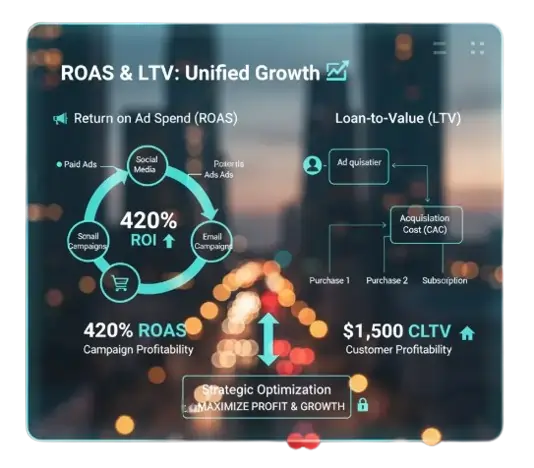
Sometimes my campaigns just break even on the first purchase. That can still be beneficial if my customers tend to buy repeatedly, leading to a high LTV.
For example, a SaaS brand might see negative ROAS up front, but monthly subscription fees accumulate over time and cover acquisition costs several times over.
If an ad brings in a user who stays subscribed for a year, that’s worth the initial cost. I’ll adjust my daily ad spend with this in mind, focusing on long-term wins, not just immediate payback.
Optimize your Ad Campaigns
Once I’ve wrapped my head around ROAS and the related metrics, I start tweaking campaigns. I usually use a step-by-step routine, referencing proven improvements for each channel and focusing on the best returns for my budget.
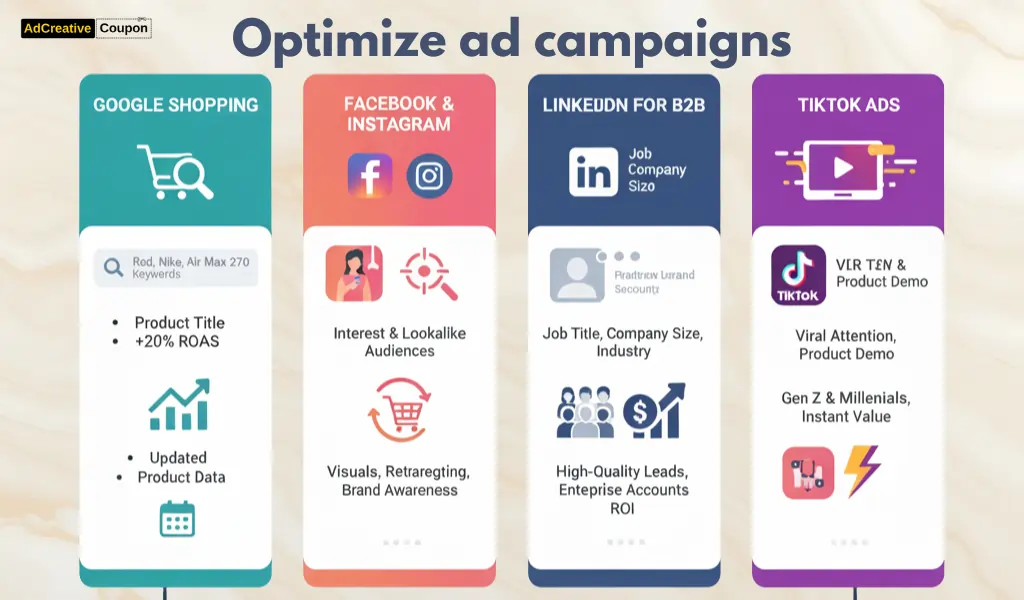
Ad channel selection
Each platform has a unique audience, so I pick a channel that matches my product’s demographics and the buyer’s state of mind.
Google Shopping
If I sell physical products and want to reach shoppers already searching with high purchase intent, Google Shopping is my go-to.
I include relevant keywords in my product titles—like color, brand, or model number—so that I match user searches accurately.
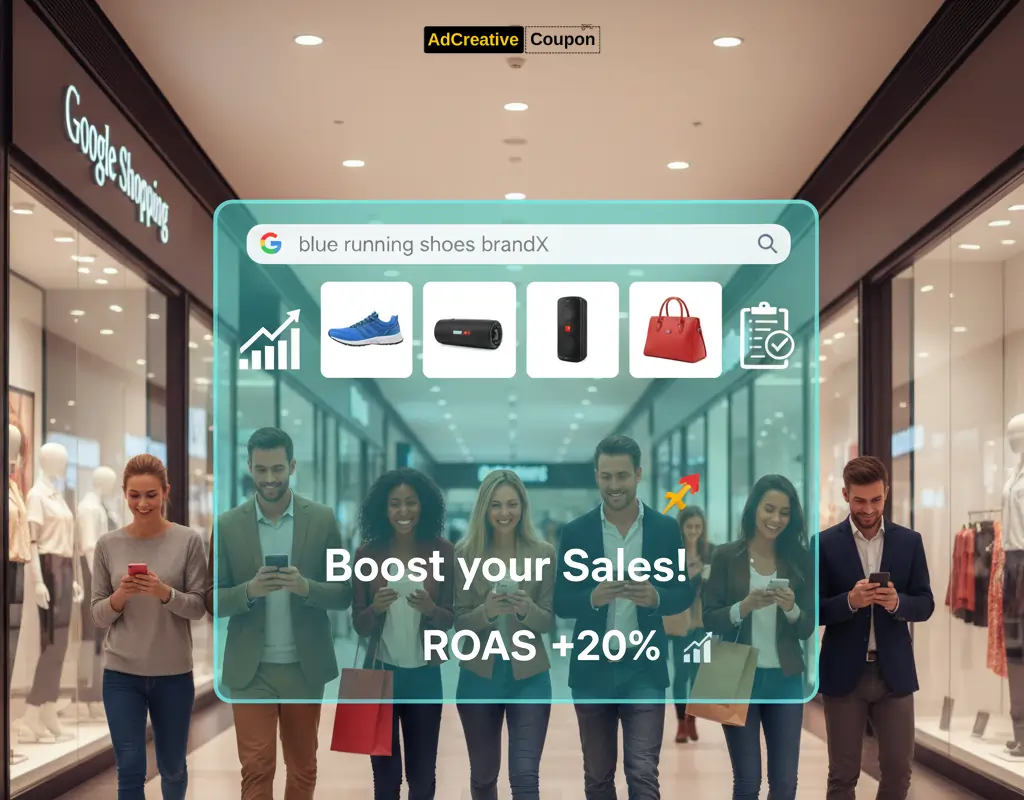
I also make sure to keep product data updated, because stale listings can hurt my results. By aligning titles and descriptions with real search terms, I’ve seen my ROAS jump by as much as 20 percent in just a few weeks.
Facebook and Instagram

For fashion, lifestyle, or impulse-driven items, Instagram ads often perform well. They rely on visuals that grab attention quickly. I keep my creative consistent and use retargeting for people who browsed my site but didn’t buy.
I also test out different audience segments—like interest-based or lookalike audiences—until I find a sweet spot that lowers my cost per acquisition.
The best part is that Facebook and Instagram can spark brand awareness, which is especially helpful if you’re launching a new line or brand.
LinkedIn for B2B
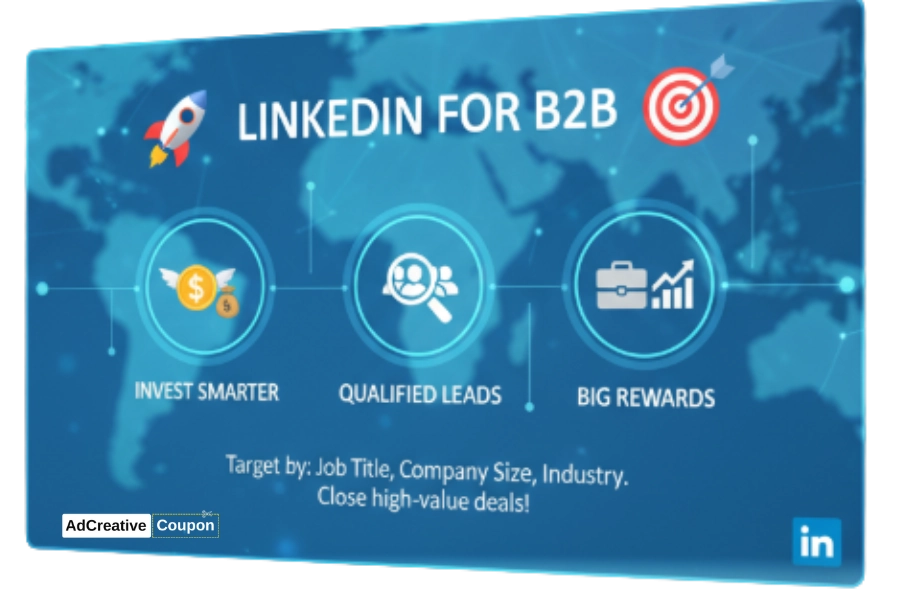
I’ve run campaigns on LinkedIn to great effect when targeting business buyers.
It’s not cheap, but the leads can be higher quality because you can filter by job title, company size, or industry.
For example, if I sell a specialized software tool, a single enterprise-level account could be worth thousands of dollars in annual subscriptions.
In that sense, LinkedIn’s expense pays off if the user signs up.
TikTok ads

TikTok is fantastic if you want to reach Gen Z and younger Millennials.
While it’s a bit more unpredictable, I’ve found that playful and creative video ads can generate a rush of sales if they catch viral attention.
Short, snappy content that shows immediate value—like a product demo or a quick “how-to”—often resonates best.
Refine your Ad elements
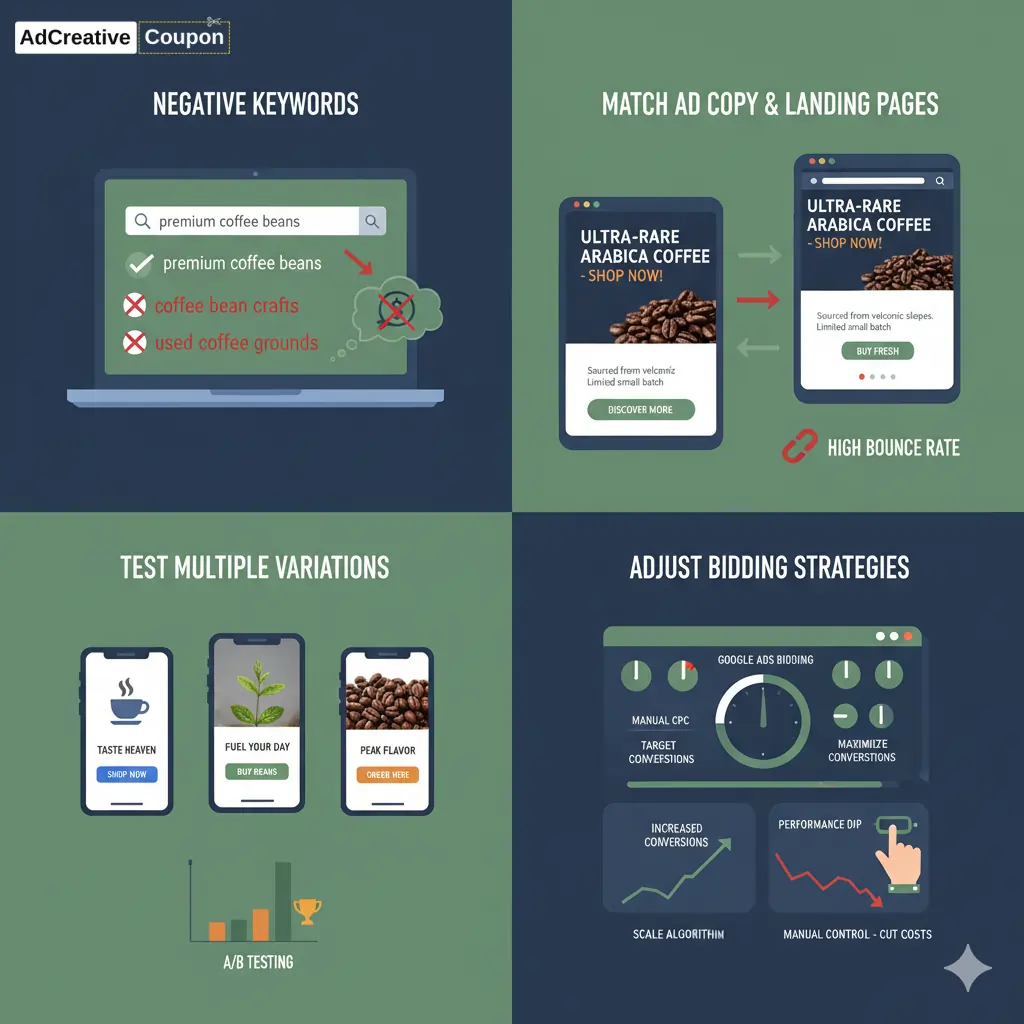
Boost On-site Conversions
Everything I do to drive people to my site is moot if the site itself can’t convert visitors into brand fans. That’s why conversion rate optimization (CRO) is part of my daily routine.
Use AdCreative.ai effectively
A major factor in how I maintain a good ROAS is the quality of my ad creatives. Eye-catching ads get clicks, and targeted copy can convert those clicks into sales. That’s where AdCreative.ai steps in.
Good news—this is easier than it sounds. I can sit back and let the AI handle the creative grunt work, then review performance data to refine the best performers further.
Recap & Next Steps: Nail Your Positive ROAS Goal
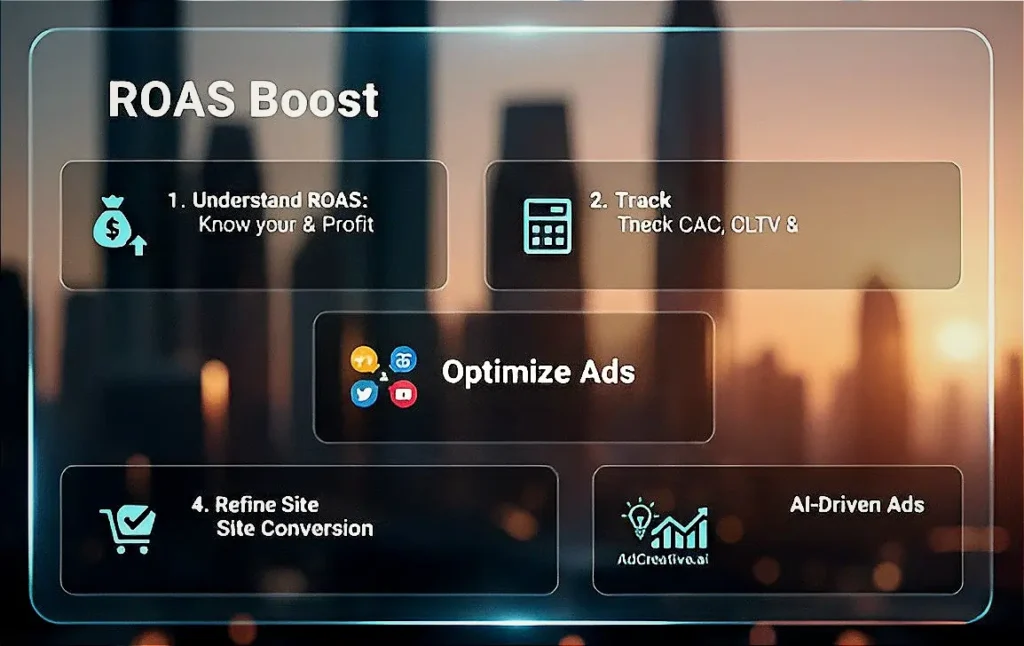
Here’s a quick rundown of how I keep my ROAS in good shape:

Start small—pick one platform like Google Shopping or Instagram and run test campaigns. Don't stop at ROAS; dig into shipping costs, discounts, and returns if profit margins seem low.
If CLTV is growing, experiment more aggressively with ads. Stay curious about buyer behavior, refine your creative assets, and keep testing.
With the right data focus, you'll find the sweet spot between acquisition costs and revenue. You've got this.